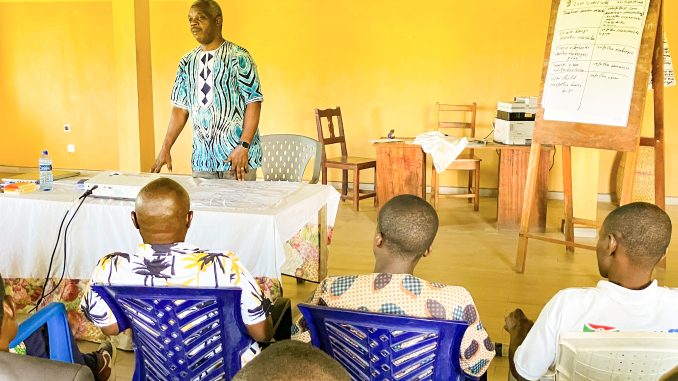
On 2 June 2026, the Diocese of Rumonge conducted a training session on the nine commitments designed to strengthen accountability and improve the quality of assistance provided to people affected by crises. The training brought together two representatives from each of the Diocese’s 13 archdeaconries. A total of 50 participants attended the session, including 18 women and 32 men. Among the participants was the Bishop of the Diocese of Rumonge, whose presence underscored the Diocese’s commitment to promoting accountability and quality standards in humanitarian and development interventions.
The nine commitments are:
1. Relevance and timeliness of aid:Aid is provided appropriately and in a timely manner to meet the needs of the population.
2. Capacity building:Aid supports local capacities and avoids adverse effects.
3. Communication and information:People receive clear and relevant information about available aid.
4. Participation and decision-making:Communities are involved in decision-making and program design.
6. Coordination and collaboration:Humanitarian actors work together to maximize impact and avoid duplication.
5. Complaint and appeal
7. Learning and improvement:Programs are continuously adapted based on lessons learned and feedback.
8. Personnel management: Humanitarian staff are competent, well-managed, and treated fairly.
9. Resource management: Resources are managed responsibly and used for their intended purposes.
The 13 archdeaconries are each represented by two participants, for a total of 26 people. The session brings together a total of 44 participants, including 12 women and 32 men, among them the Bishop of the Diocese of Rumonge.